Trenton, NJ · Garage Door Service
Garage Door Maintenance for Willingboro's 1960s Housing Stock
Willingboro's houses mostly went up in the 1960s, which means original hardware on a lot of doors. Here's what maintenance looks like for this stock, from a crew out of Trenton.
- Repairs & new doors
- Springs & openers
- Serving 7 nearby communities
How It Shows Up
Willingboro's median build year sits at 1964, right in the middle of the wave of garage construction that put torsion springs and steel track into tens of thousands of houses across this part of the county at once. A door that age has usually been re-sprung once, sometimes twice, but the track hangers and the end bearing plates are often the originals - and those don't fail gradually. They fail on a Tuesday morning when the spring finally gives out after decades of cycles.
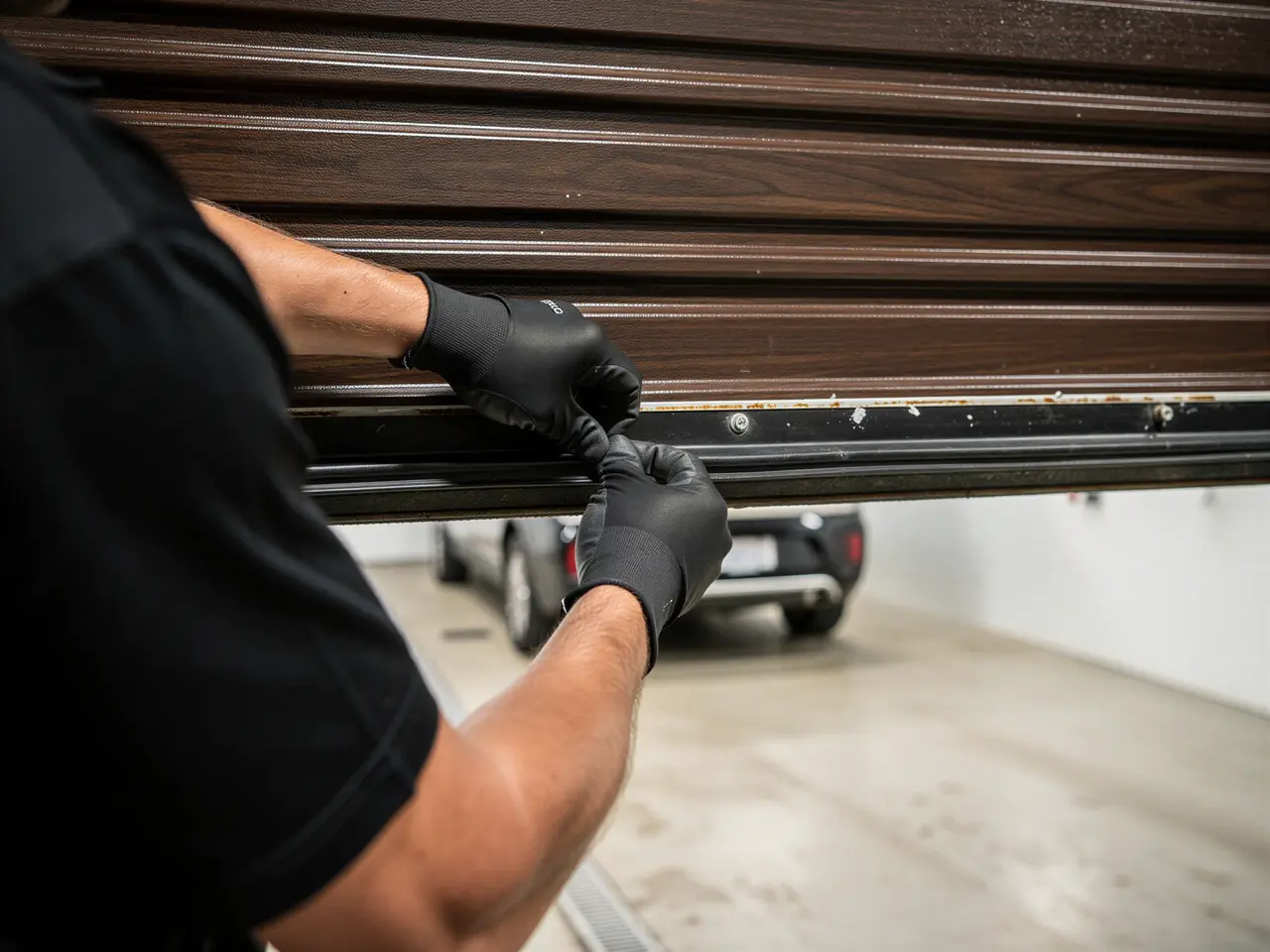
What we see on these doors: dry or seized rollers that have never been touched, hinges worn oval at the pin instead of round, and torsion springs that are either the wrong wind for the door weight or just worn past the end of their cycle life. On a house from the 1960s, the opener is almost never original - that's usually a replacement from the last 15 to 20 years - but the door hardware behind it often is. Cold-weather stress makes this worse. This region sits in a severe cold climate band, and steel contracts in winter, which tightens already-worn joints and puts more load on a spring that's already near the end.
The pattern we check for first here is the mismatch: newer opener, original spring and track. That combination is common across this stock and it's the one that leads to a dead door on the coldest morning of the year.
What Is on the Truck
For a maintenance visit on a house in this bracket, the truck carries torsion springs across the common wind and wire-size range for 1960s-era residential doors, standard-size rollers (steel and nylon), hinges, end bearing plates, and cable. We stock what fits doors built to the dimensions and weights common in houses from this build era - we don't carry every spring size for every door ever made, and a door that's been modified or custom-built may need a part ordered in before the job is finished.
We also carry lubricant rated for the temperature swings this region sees, since the wrong lubricant thickens in cold weather and does more harm than good. Track alignment tools and a torque wrench for spring tension round out the kit. The goal of a maintenance visit from a crew based in Trenton, about 15 miles out, is to catch what's wearing before it breaks, not to replace a door that's still got service life in it.
How Long You Are Without the Door
A maintenance visit - lubrication, hardware check, spring tension adjustment, track alignment - doesn't take the door out of service. You can use the garage the whole time. If the visit turns up something that needs replacing on the spot, like a cable close to fraying or a spring that's visibly sagged out of shape, that part gets swapped during the same visit if it's a size we carry, which covers most of what's on doors from this era.
The exception is a part we don't carry - an odd-size spring, a discontinued roller track, or a panel that needs to be special-ordered. On those jobs the door may need to sit until the part arrives. We won't know which situation applies until we're looking at the door, so we don't promise a same-visit fix before we've seen it.
What It Costs
We don't post a flat price for maintenance here because the number depends on what the door needs once we're looking at it - a straightforward lube-and-adjust visit costs less than one where a spring or a set of rollers gets replaced on the spot. What we can tell you is the economics behind the decision: with median household income in this area at $91,615 and most houses carrying original or aging hardware, a maintenance visit that catches a worn spring before it snaps usually costs less than the emergency call and replacement that follows a full failure.
We're honest about the other side of that: if your door is old enough that panels are rusted through or the track is bent beyond straightening, maintenance isn't the right call and we'll tell you that instead of billing you for a visit that won't hold.
Frequently asked questions
Why does my 1960s garage door need more maintenance than a newer one?
Houses here have a median build year of 1964, and a lot of the original torsion springs, hinges, and track hardware are still in place even where the opener's been replaced. That hardware has had decades of cycles on it, and it wears unevenly - a worn hinge or dry roller puts more strain on a spring that's also near the end of its life.
Does cold weather make garage door problems worse here?
Yes. This region sits in a severe cold climate band, and steel hardware contracts in winter. That tightens already-worn joints and adds load to a spring that's close to failing, which is why a lot of spring breaks happen on the coldest mornings rather than evenly throughout the year.
Do you have a shop in Willingboro?
No, we work out of Trenton, about 15 miles away, and travel to Willingboro for service calls. We don't keep a local branch or depot here, so we're upfront that this isn't a same-town operation.
Will you always have the part my door needs on the truck?
For springs, rollers, hinges, and cable sized for the doors common to houses built in this era, yes. If your door's been modified or has a less common size, we may need to order that part, and the job could take longer than a standard visit.
More garage door services in Willingboro
Book garage door service in Trenton
Call now or request a quote - tell us what the door is doing and where you are.